
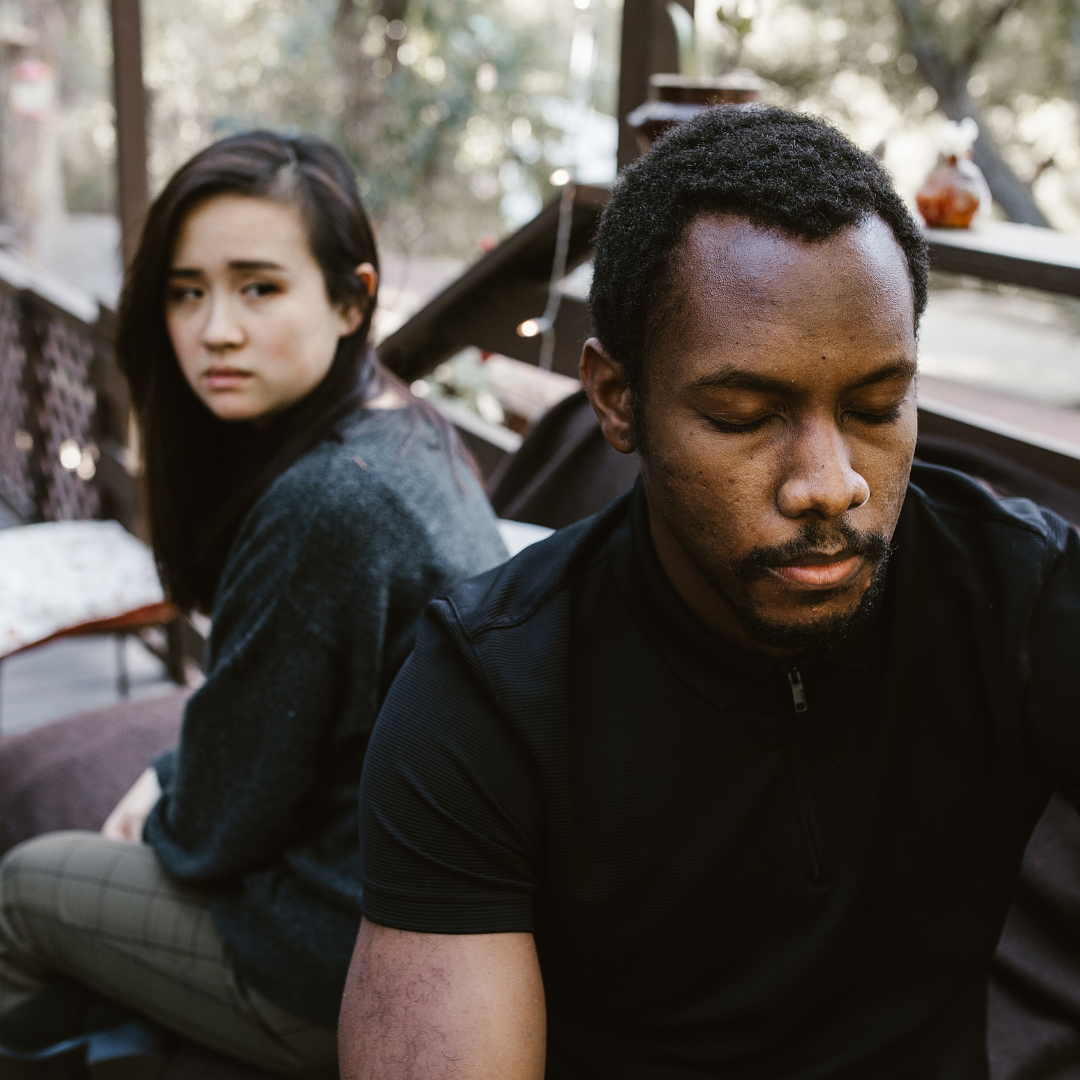
For many of us, the idea of forgiveness has been taught as a cornerstone of healthy relationships. We hear it from a young age: “Forgive and forget,” “You only have one father, one mother,” or “Family is everything.” We are encouraged to repair rifts, to heal wounds, and to move forward in our relationships, no matter the cost. In fact, for a long time, I believed that forgiveness was the ultimate answer to most relational struggles. But over time, I have come to see things differently. The belief that we must always forgive, especially when we are hurt or betrayed, no longer holds true for me.
I used to tell people, “Forgive and move forward. It’s your sibling, your parent, your friend. The relationship is worth the effort.” I would encourage others to put in the work, to be the bigger person, and to make peace for the sake of family or long-term bonds. I believed it was essential to keep those connections intact because life is short, and no one could ever replace the people who have been with us for so long. But over the years, my understanding of forgiveness has evolved.
The shift in my perspective came with experience. It was born out of painful realizations and difficult decisions. There were relationships in my life where forgiveness was no longer enough. There were people who simply would not or could not change, who lacked insight into their own toxic behavior, and who had little to no accountability for the harm they had caused. At one point, I believed that offering forgiveness could heal the wounds, that the power of “I’m sorry” could mend what was broken. I assumed that with time and effort, people would recognize their faults and make the necessary changes. But what happens when they don’t?
We often hold on to the idea of forgiveness because we fear the consequences of letting go. The weight of judgment, guilt, and societal expectations can make it feel wrong to sever ties with those who are family or long-time friends. We may think, “What will others think?” or “I’ll never get another chance like this.” But the reality is that life is too short to wait for someone to change who may never do so.
I have come to understand that some relationships are toxic, and sometimes, the healthiest thing you can do is walk away. It doesn’t mean you hate them, and it doesn’t mean you don’t care. It simply means that the relationship is no longer serving you. It no longer nurtures your well-being or brings you peace. And if the other party shows no signs of remorse, accountability, or growth, it is not only okay but necessary to cut ties. Not every relationship is worth saving, especially when the other person isn’t willing to meet you halfway or acknowledge the pain they’ve caused.
It’s important to recognize that this doesn’t make us weak or unforgiving. It doesn’t make us bad people for wanting to protect ourselves from harmful behavior. In fact, it’s a courageous act of self-love. I believe it’s essential to understand that not every relationship is meant to last forever, and some bonds, no matter how deep or long-standing, cannot withstand the weight of toxicity.
What we fail to acknowledge is that holding onto relationships out of obligation, guilt, or the hope of eventual change can be draining. It’s an emotional investment that ultimately takes more from us than it gives. The longer we stay in relationships that no longer align with our values, well-being, or sense of peace, the more we risk losing ourselves in the process. We may find ourselves giving more than we receive, continuously giving people chances to hurt us again and again. And at some point, we must ask ourselves: Is this worth it?
Of course, this isn’t an easy choice. Cutting people off, especially those who have been a part of our lives for years, can feel like a betrayal or an act of abandonment. But there comes a point when we must ask: What is more important—holding onto a relationship that brings us pain or honoring our need for peace, growth, and emotional safety? It’s about recognizing our own worth and giving ourselves permission to prioritize our mental and emotional health.
What does it look like to let go? It might mean having an uncomfortable conversation where you explain that the relationship no longer works for you. It could mean creating boundaries and, in some cases, walking away entirely. Letting go doesn’t always require an apology or a dramatic confrontation. Sometimes, it’s simply the act of removing yourself from the situation and refusing to engage in a relationship that has no room for growth or change. It’s about setting a standard for yourself that says, I deserve to be loved, respected, and valued, and if you cannot offer that, I will not accept anything less.
In my experience, I’ve learned that forgiveness doesn’t always need to come with the expectation of reconciliation. Sometimes, we forgive because it frees us from the chains of resentment and anger, but that doesn’t mean we have to continue to subject ourselves to people who refuse to honor our boundaries. Sometimes, we forgive from a distance. And sometimes, the best form of self-care is recognizing when it’s time to say goodbye.
The decision to sever a relationship isn’t something that should be made lightly. But it is one that is necessary for our emotional survival. Not every relationship, no matter how close or significant, is worth sacrificing your peace for. And in some cases, the healthiest thing we can do is to walk away, knowing that life is too short to wait for something that may never come.
But there is also hope to be found in the healing power of a genuine apology, even if it comes later than we expect. Not long ago, I received an apology from an ex who had wronged me deeply many years ago. It was more than a decade later, and in his apology, he said, “You didn’t deserve the things I put you through.” His acknowledgment of the harm he had caused, and his reflection on his own mistakes, was more than just words—it was a form of healing, not just for him, but for me as well. He admitted that his own past struggles had led him to hurt me, and it took him going through a similar experience himself before he could truly understand the depth of his actions. That apology allowed us to move forward, not as we once were, but as two people who had grown and learned from our past.
This experience showed me that while apologies can be rare and often difficult to come by, they do have the power to heal wounds. However, it’s important to recognize that this kind of insight is not guaranteed, and it can be a long wait for some people to come to terms with their own actions. The truth is, most apologies we receive may be stagnant, half-hearted, or never come at all. But sometimes, distance creates the clarity needed for someone else to gain insight into their behavior. And when that apology does come, it has the potential to shift everything. But don’t wait for it. The possibility exists, but it cannot be the foundation of your emotional well-being. Life is too short to wait for something that may never happen.
So, while it’s important to recognize when it’s time to let go, it’s also important to hold space for the possibility of change. People can evolve, and relationships can heal, but it is a mutual process that requires self-awareness, accountability, and true remorse. Not all relationships will receive the closure we hope for, but that doesn’t diminish the power we have in choosing what’s best for us in the present.
So, I leave you with this question:
What relationships in your life are draining you, and is it time to let go for the sake of your own peace and emotional well-being? Or, do you believe there is still room for growth, healing, and a sincere apology that could bring you both the closure you need?
By taking this step, we not only create space for healing, but we also make room for the relationships that bring us joy, growth, and support. Your worth is not dependent on maintaining toxic relationships, and sometimes, true freedom comes from having the courage to walk away. And when the time is right, even the most painful experiences can lead to new understandings, new beginnings, and deeper connections.
Love & Light,
Doc